
Doctors don’t always have expertise in hormones. Learn what hormones are used in menopause hormone replacement therapy and what you need to know to get quality midlife care.

Most of us think doctors are the best source of information about health. But with menopause—one health journey that every woman is designed to experience—that’s not always the case: Doctors may not have all the information you need about menopause.
A survey of obstetrics and gynecology residents in the United States found that only one in five of these young doctors receives formal training in menopause medicine. This lack of education and training can lead to doctors who are perfectly capable to diagnose and treat many medical conditions, but who are NOT comfortable helping women manage their perimenopause and menopause journeys.
As a result of lack of knowledge about their own midlife bodies and no explanation from their doctors, women often go into menopause without any idea about:
The good news is that some doctors are becoming more aware of the need for better communication with women about what to expect as their hormones decline. But depending on your provider’s knowledge and comfort level with menopause and hormones, you may have to take charge if you want answers.
It’s in your best interest to do some research of your own about hormone replacement therapy (HRT) and menopause, and The Change Is Personal articles can help you with that.
Here are three things your doctor might not tell you about menopause and HRT.
Many menopausal women seek medical attention from their OB-GYNs because they think a doctor who specializes in reproductive health should be an expert about menopause. But as we mentioned earlier, many OB-GYNs receive little to no training in how to care for menopausal women, so they’re not hormone experts. And with limited expertise in hormone replacement therapy (HRT), they may not be able to help you optimize your hormones to address symptoms like hot flashes and vaginal dryness.
Our Medical Director at Belmar Pharma Solutions, Dr. Angela DeRosa, has a thing or two to say about doctors and menopause care in her book, “A Woman’s Hormonal Health Survival Guide: How to Prevent Your Doctor From Slowly Killing You.”
“Gynecologists treat women for a large portion of their lives, but generally speaking, they are not hormonal experts,” Dr. DeRosa said. “They’re surgeons, and they like to deliver babies. They’re not taught any more about hormones than a general practice physician.”
According to Dr. DeRosa, OB-GYNs often say, “There’s no data to support HRT,” or “You’re too young to have hormonal imbalances” which is not helpful to women who are suffering through uncomfortable symptoms of perimenopause and menopause.
For the best midlife care, you need a practitioner who has specialized training in managing menopause and hormones. They need to be skilled at diagnosing hormonal conditions, whether it be a thyroid issue or menopause. A provider with experience using bioidentical hormones and compounded medications may be ideal.
And remember, you get to choose your practitioner (which means you can fire them too). It’s important to find someone who will listen to your concerns, take them seriously, and make you feel comfortable sharing details about your symptoms.
Unsure how to locate a qualified provider? We recommend this The Change Is Personal article that shares how to find a doctor who is trained to support you through perimenopause, menopause, and beyond.
Now, let’s do a deeper dive into hormones themselves.
Providers who are undereducated about HRT may see it as a one-size-fits-all solution for menopause, but that’s not the case. There are many different kinds of hormone replacement therapies available.
One is bioidentical hormone replacement therapy (BHRT). BHRT uses bioidentical hormones, which can be made from plant estrogens. The “identical” in “bioidentical” means these hormones have a chemical structure that is identical to those found in the human body.
The most common hormones used in BHRT for women are:
Bioidentical hormones can be custom compounded for an individual patient by compounding pharmacies specializing in Couture Medicine™, like Belmar Pharma Solutions, according to a doctor’s orders.
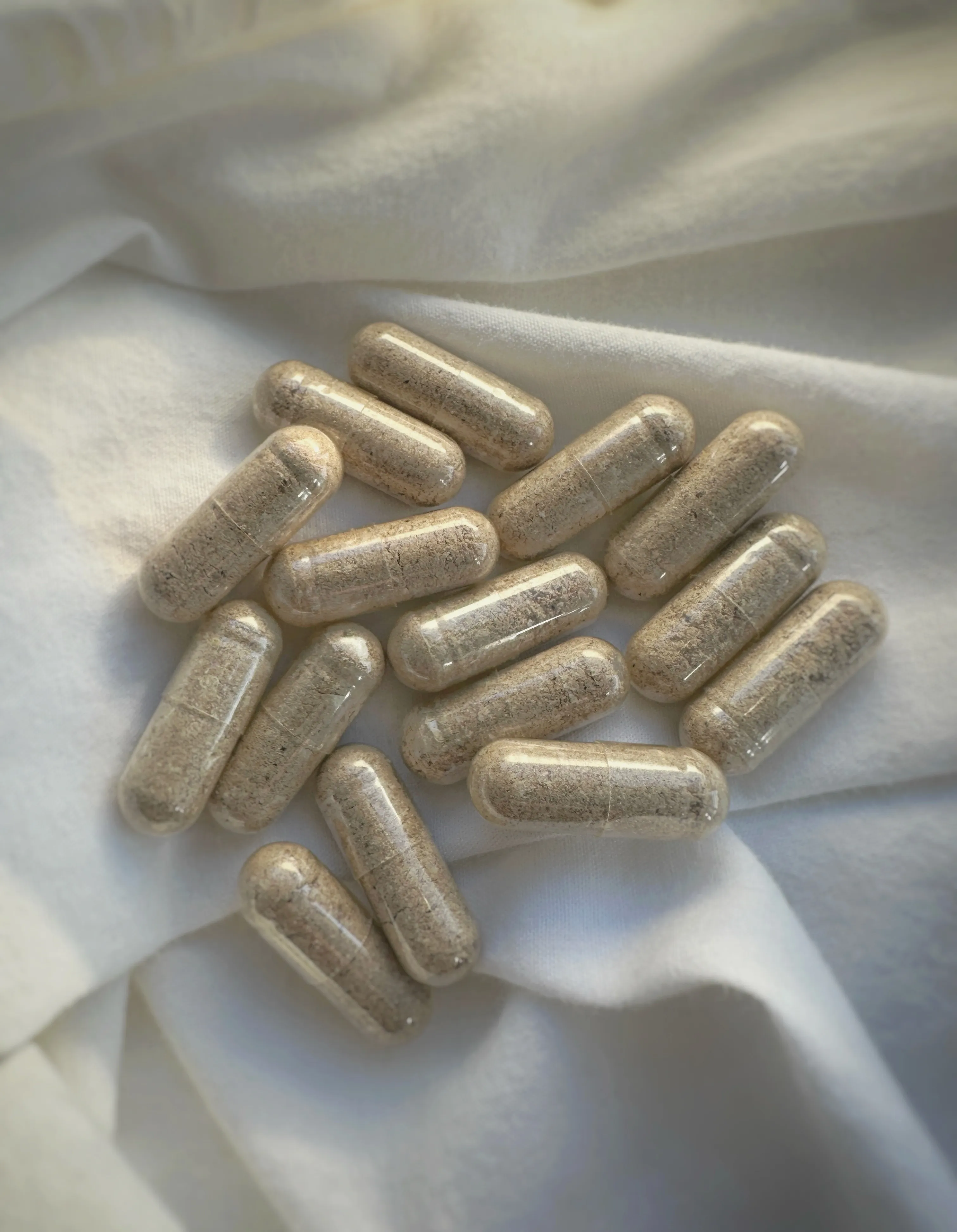
BHRT comes in a variety of delivery forms, such as pills that you swallow, tablets that dissolve under your tongue, topical creams, and under-the-skin pellets. Your doctor can help you figure out which hormones you need and prescribe the best dosage and form for you.
There is plenty of data supporting hormone replacement therapy and its health benefits, according to Dr. DeRosa. The reality is women typically enter menopause around the age of 50, with the average age being 51.
However, some women experience premature or early menopause, which occurs years before their 50th birthday. Early menopause occurs between the ages of 40 and 45. Premature menopause happens before age 40 and sometimes even in the 30s.
For these women who have a decline in estrogen earlier in life, HRT may be especially important in helping maintain wellness. Research shows that starting HRT earlier may help reduce the risk of heart disease and protect against osteoporosis.
So, what can women in midlife do to make sure they’re getting the most out of their menopause therapy?
First, you want to find a doctor who is trained to support your menopause journey. Women who seek medical help from a doctor who specializes in hormonal health usually have an easier time getting accurate information on HRT as well as menopause in general. When you visit your provider, have a list of questions handy so you get the answers you need.
Second, continue to learn more about BHRT. While doctors are becoming more aware of the need for better communication, that doesn’t change the fact that women have to seek out reliable information about menopause and HRT. Explore additional articles about perimenopause and menopause here on The Change Is Personal to learn from our Wing Women and other experts.
Get honest, expert-backed insights on hormones, symptoms, and wellness—delivered straight to your inbox. No noise, no fluff, just the stuff that actually helps.
Sign Up NowThe Change Is Personal is your trusted guide through perimenopause, menopause, and beyond—offering real talk, expert-backed insights, and zero fluff. Created by the team at Belmar, we’re here to help you feel informed, empowered, and supported at every stage of the journey.

.png)
.png)
 Share on Facebook
.png) Share on LinkedIn
Share on LinkedIn