From hormone creams to pellets, one woman shares her personal BHRT journey, and what she learned about managing perimenopause and menopause symptoms.
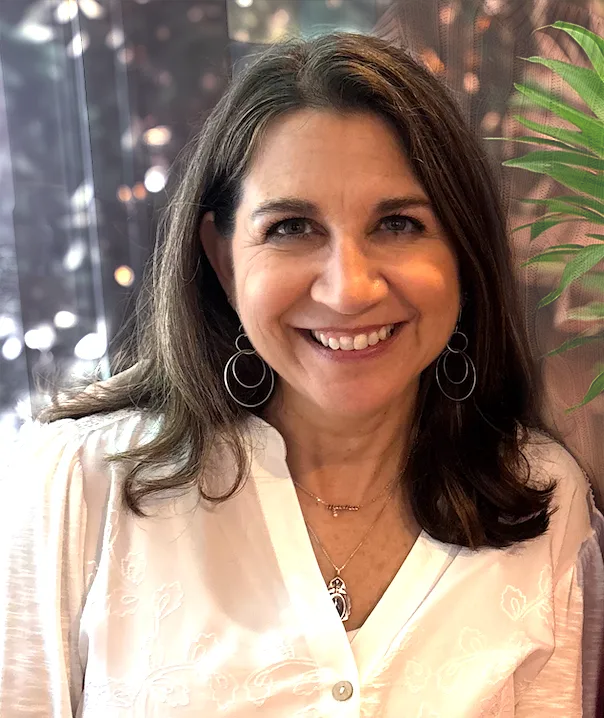
In autumn of 2020, a few months before life as we knew it would suddenly come to a screeching halt, and the world would go on lockdown, I had my first hot flash. I was at my home office, in the middle of a Zoom call with long-distance coworkers when I felt heat from deep inside my body radiating up to my face.
My cheeks flushed. My skin seemed to ignite under my sweater, and I thought I might burst into flames right there on camera.
I felt sweat forming on my upper lip as I struggled to keep my composure and continue my meeting. Under my desk, I kicked off my shoes and conspicuously removed my socks in hopes of doing something to lower my body temperature. I had no idea I was having a hot flash; nobody told me that could happen, even though I had recently turned 50.
I have always been of the mindset that I could “will away” anything that ailed me. Over the course of my life, I told myself, “I’m healthy and strong!” each time I felt a cold or a stomach bug coming on. “I’m not getting sick, I am NOT getting sick,” I would tell myself over and over again, and sometimes it actually worked. Mind over matter, I smugly told anyone who complained about a sore throat or a stuffy nose.
I’d read Dr. Wayne Dyer and Gabby Bernstein. I’d studied the power of positive thinking and manifesting. I meditated my way through childbirth. I was certain I could meditate my way through perimenopause, too. How hard could it be?
Just in case it wasn’t as easy as I anticipated (as my hot flashes continued) I bought an “organic hormone health blend” that contained beet powder, because I read that it would “balance my hormones naturally” and help mitigate these pesky hot flashes. I blended the bitter, pink powder into my smoothies every day and hoped for the best.
I’m sure the powder was good for me on many levels, as adding organic vitamins and minerals is often beneficial for women at any age. HOWEVER, as I now know, supplement powders do not replace waning hormones. They seemed to help me at first (hot flashes became few and far between and totally manageable), but then came the dizziness, joint pain, and double frozen shoulder.
No amount of beet powder or positive affirmations were going to get me out of perimenopause alive, so I surrendered.
Searching for “women’s hormone providers near me” led me to an OB/GYN who also prescribed compounded hormone creams. “I do NOT believe in hormone pellets,” she sternly told me at my first appointment, “but I’ll prescribe estrogen, progesterone, and testosterone creams for you.”
Perfect, I thought. Beginning my journey into bioidentical hormone replacement therapy (BHRT) with creams that I could adjust if the dose wasn’t quite right vs. getting hormone pellets that I’d be stuck with for three months sounded like the right approach. Akin to most of my post-divorce romantic relationships, I decided to dip my toe into the (BHRT) water before fully committing. (As I’ve learned about both, this is not a necessarily bad thing.)
For me, starting with hormone creams (and oral progesterone for the uterine protective benefits) was a great way to begin my personal journey into hormone therapy. I felt in control; I could adjust the number of clicks on my biest (estriol/estradiol) and my testosterone Topi-CLICK® UnoDose™ applicators. I could break a fast-burst sublingual progesterone tablet in half if I needed to adjust my dose. (I don’t swallow pills, so a compounded option was the only way to go.)
As I wrote in my blog about frozen shoulder, within just a few weeks, my symptoms improved. I was sleeping better, my joint pain was starting to dissipate, and my energy levels were getting back to normal.
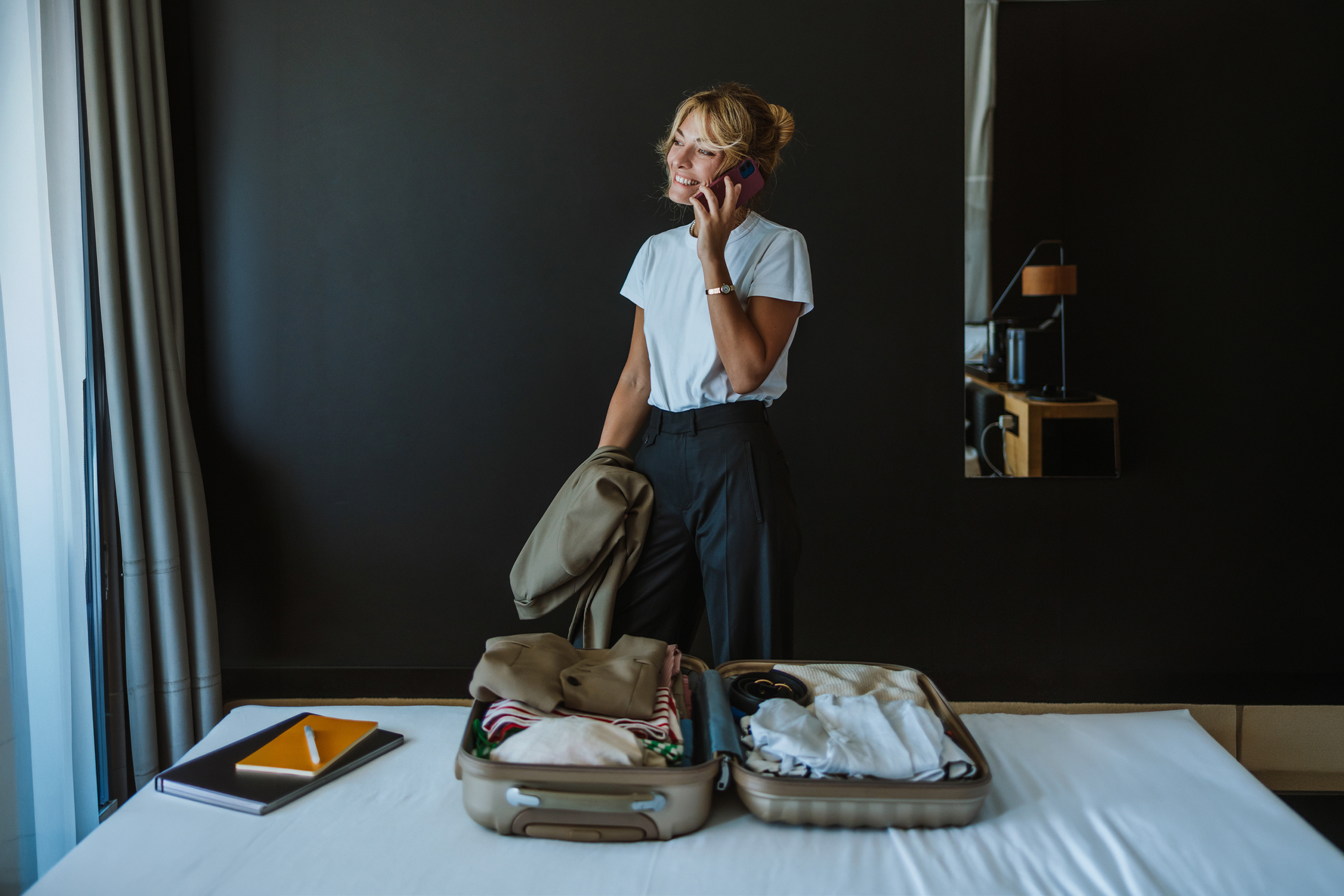
Almost a year into this hormone therapy protocol, I traveled for work and pleasure more frequently than usual. Each time I packed a suitcase, I would line up all my creams and tablets into a makeup bag, and pack them in my carry-on just in case my luggage got delayed or lost—which, thankfully, only happened once!
After more than 365 straight days of trying to remember which inner thigh or inner arm I had last applied my testosterone cream, and packing and unpacking my toiletry case of hormones, I decided I was ready for the simplicity of pellets.
During my personal BHRT journey, I’d been listening to Belmar’s Medical Director, Angela DeRosa, DO, MBA, CPE, talk about how convenient and easy pellets are in several of her webinars, and how systemic BHRT was a great option for so many women (and men). Overall, pellets are designed for consistent, sustained hormone delivery.
With pellets, there’s no worrying that you might get hormone cream on a loved one (or pet!) who comes in contact with your skin. There’s no wondering how much of the cream is actually absorbed into your skin after each daily application. There’s no packing and unpacking of cream applicators, and trying to remember, “Is Tuesday night for my left, inner thigh or my right, upper arm?”
While the creams had served me well—allowing me to ease my way into hormone therapy—I knew I was ready for hormone pellets. And it was even more important for me to find a pellet provider who was expertly trained in pellet insertion and ordering their pellets from a trusted outsourcing facility. As an employee of Belmar Pharma Solutions, I’m partial to Belmar Select Outsourcing (our pellet manufacturer) for their unwavering commitment to the highest quality and safety standards.
This time, I used a Clinician Directory to help me find an expertly trained hormone provider. My new provider ordered bloodwork so she could get a baseline of all my levels. I currently have bloodwork done every three months, so my hormones are quite closely monitored, which I really like.
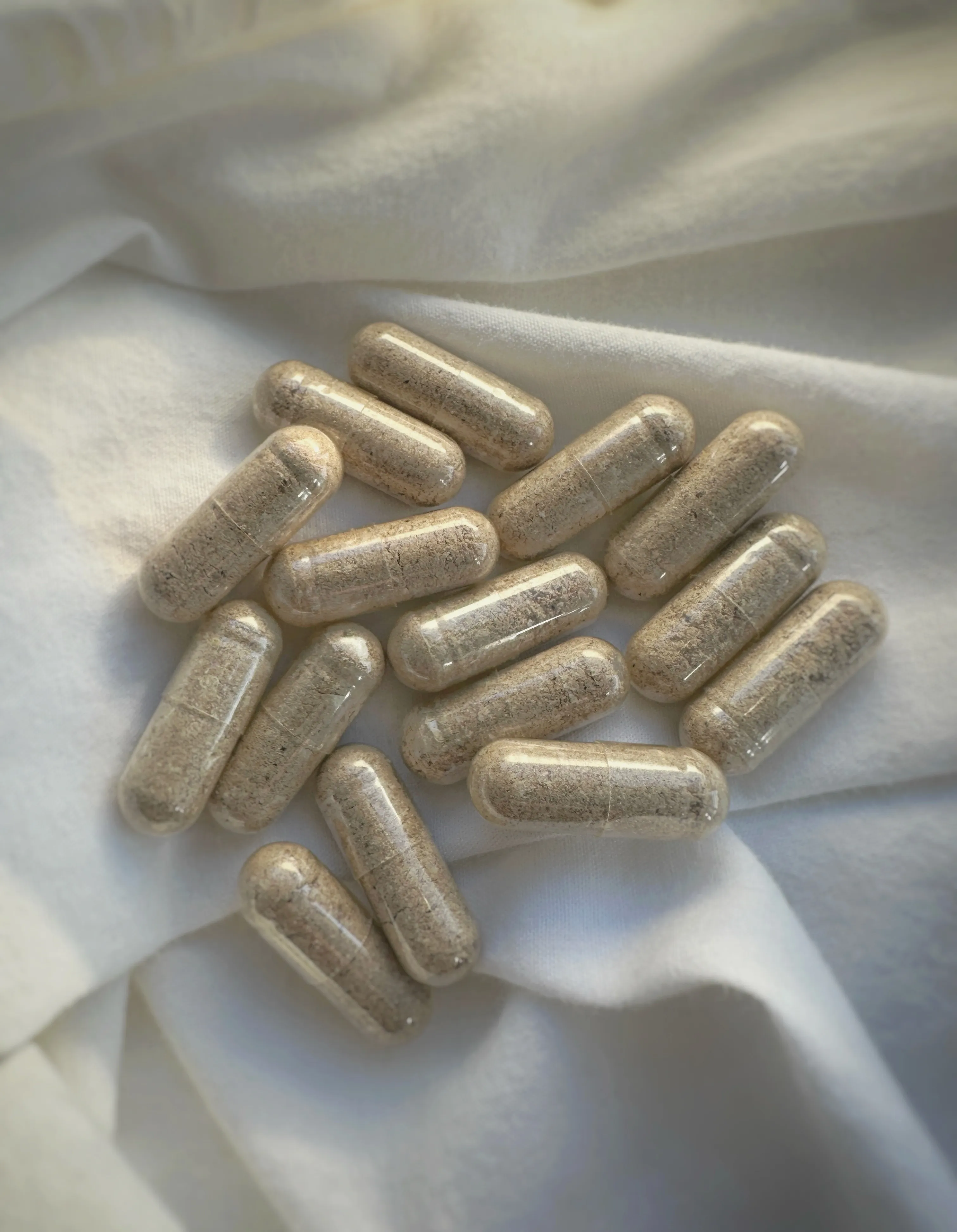
I drove an hour and a half for my first consultation. At my next appointment with a reputable and highly skilled functional medicine provider, she explained the quick pellet insertion process. First, she numbed the area on my right hip/buttock. Then, she inserted an estradiol pellet and a testosterone pellet, and put a waterproof bandage over it. The whole process took about 10 minutes. I felt nothing except the first little needle of lidocaine.
The recommendation is not to do any kind of strenuous exercise for about three days. I could still walk my dogs, but I avoided doing any kind of yoga stretching. I could shower after 24 hours. I didn’t go swimming or sit in a hot tub, per instructions, either. I had mild bruising and tenderness at the insertion site that was very manageable, and totally gone after about a week.
Since that first pellet insertion, I’ve gone every three months, and I'm coming up on my first-year pellet anniversary. Everyone’s experience is different, but I have felt even better with pellets than I did with hormone creams! Clearly, there’s something to the sustained release of hormones into the bloodstream that is working well for me—a postmenopausal woman in my fifties.
Perhaps this blog raises a lot of questions for you, such as:
All these questions are valid, and ones you should discuss with your skilled hormone provider.
This blog reflects my own personal experience with hormone therapy. The BHRT journey is different for everyone. Some women experience initial hair loss with testosterone pellets (mine was very minimal, then evened out). Some women experience bloating or breast tenderness (again, mine was minimal, not disruptive).
When you’re working with a hormone therapy expert and getting your hormones from a reputable compounding pharmacy who makes quality and patient safety their highest priorities, you’re off to a great start.
You and your provider may make minor adjustments to your hormone doses as you go, based on your symptoms and bloodwork, but in my case, my improved energy, restful nights, and disappearance of frozen shoulder and joint pain have totally outweighed any uncomfortable initial side effects.
Over the last two years, my body got used to having its hormones at optimal levels again, as they were when I was younger. And that’s an experience I want to continue as I become another postmenopausal year older.
If you’re suffering through perimenopause and menopause symptoms, please know you have options. Maybe your favorite BHRT option will be hormone pellets, too.
Get honest, expert-backed insights on hormones, symptoms, and wellness—delivered straight to your inbox. No noise, no fluff, just the stuff that actually helps.
Sign Up NowThe Change Is Personal is your trusted guide through perimenopause, menopause, and beyond—offering real talk, expert-backed insights, and zero fluff. Created by the team at Belmar, we’re here to help you feel informed, empowered, and supported at every stage of the journey.

.png)
.png)
 Share on Facebook
.png) Share on LinkedIn
Share on LinkedIn