
Learn about the vital role vitamin D plays in bone health and overall wellness in perimenopausal, menopausal, and postmenopausal women.

Bone health has been on my mind lately, because two of my friends suffered fractures. One tripped while walking and broke her kneecap. The other friend was getting up from a cross-legged position, and her ankle snapped, requiring surgery to pin it back together.
Walking and getting up from the floor are normal activities of daily life, but for menopausal women with osteoporosis, simple movements can be risky. And it makes me wonder, “Could I be the next one to break a bone during a normal activity?”
One thing I have going for me is that I take a vitamin D supplement and get my blood vitamin D level checked pretty regularly. While vitamin D isn’t a panacea, it does play a vital role in bone health and other body processes. Being aware of your vitamin D status is a smart move if you’re a midlife woman.
Many people are surprised that vitamin D has two identities, like a superhero. It’s both a vitamin and a hormone. The active form of vitamin D is called 25-hydroxyvitamin D, and it plays many critical roles in maintaining your good health.
Vitamin D is involved in regulating calcium and phosphorus balance, which is essential for healthy bones and teeth. Vitamin D supports your immune system, and it may also play a role in regulating cell growth. Experts say vitamin D plays a role in blood pressure regulation as well as insulin secretion and glucose tolerance.
Balanced hormonal health involves many hormones that interact with each other, including vitamin D and estrogen. For example, vitamin D influences estrogen production and metabolism. And estrogen is involved in vitamin D being converted to its active form in the kidney.
Vitamin D deficiency is linked to health concerns specifically for menopausal women. So, if your vitamin D level is low during menopause, resolving that deficiency in conversation with your provider may benefit your bones—and your overall health and wellness.
The decline of estrogen that starts in perimenopause may put you at risk for a lot of health issues, including osteoporosis, heart disease, and genitourinary syndrome of menopause (GSM). Low vitamin D levels in your blood may also be associated with increased risk for some of these conditions.
So, if you’re a menopausal woman with dropping estrogen AND you have low vitamin D, here’s what you need to know for your bones, heart, and private parts.
Research shows that low vitamin D ups the risk for hip fracture in postmenopausal women who have low bone mineral density due to osteoporosis. Worldwide, osteoporosis affects 1 out of 3 women ages 60-70 and 2 out of 3 women 80 and older. Of my two friends who had fractures, one has been diagnosed with osteoporosis.
In your body, vitamin D supports bone health by helping your intestines absorb more calcium and phosphorus. Without vitamin D, your intestines absorb about 10-15% of dietary calcium and 60% of phosphorus. With adequate vitamin D, the absorption rises to 30-40% of calcium and 80% of phosphorus. That’s a lot more minerals for building your bones!
Studies show that when postmenopausal women take vitamin D supplements, it may help support bone turnover and bone density. Vitamin D is so important that doctors routinely prescribe it alongside many of the drugs used to prevent or treat osteoporosis.
There’s evidence linking vitamin D deficiency to the development of cardiovascular conditions, including coronary artery disease, heart failure, high blood pressure, and strokes. People with low vitamin D may have stiffness in arterial walls, which has been associated with both high blood pressure and heart disease. And low vitamin D has also been linked to high triglyceride levels and problems with blood sugar.
What does all that mean? It means that during menopause, when your risk of heart-related conditions is already higher due to lower estrogen levels, having a low vitamin D level may further increase your risk.
If you have urinary and vaginal symptoms during perimenopause or menopause, you may have GSM. Genitourinary syndrome of menopause is a cringe-worthy name for a batch of symptoms that can develop and make you miserable.
With GSM, you may have vaginal dryness, sensitive vaginal tissues, painful sex, and even recurrent vaginitis and frequent urinary tract infections. These problems develop because lack of estrogen causes vaginal atrophy, which is the deterioration and thinning of the tissues lining your vagina.
Vitamin D may help support cell growth in the vaginal tissues to help potentially reduce vaginal atrophy. Researchers say that vitamin D supplementation may help alleviate vaginal dryness and other GSM symptoms. In one study, postmenopausal women with vaginal atrophy who took oral vitamin D for 12 weeks reported improvements in their vaginal health.
You can get vitamin D naturally from two sources: food and the sun. Only a few foods contain vitamin D, including egg yolks and some fatty fish, like salmon, mackerel, and sardines. Certain “fortified” foods—milk and some cereals or orange juices—have vitamin D added to them. Vitamin D is called the “sunshine vitamin” because your skin produces vitamin D when it’s exposed to ultraviolet B (UVB) radiation.
If you’re wondering how much vitamin D is enough, it depends on your age. The recommended dietary allowance for vitamins D is 600 IU/day for women up to age 70 and 800 IU/day for women 71 and older. For women with low 25-hydroxyvitamin D levels (<30 ng/ml), experts say that vitamin D supplements may help raise blood levels.
It’s not just how much you take though—it's also when you take it. Since vitamin D is a fat-soluble vitamin, you need to take the supplement with a meal that contains fat so it’ll be absorbed properly.
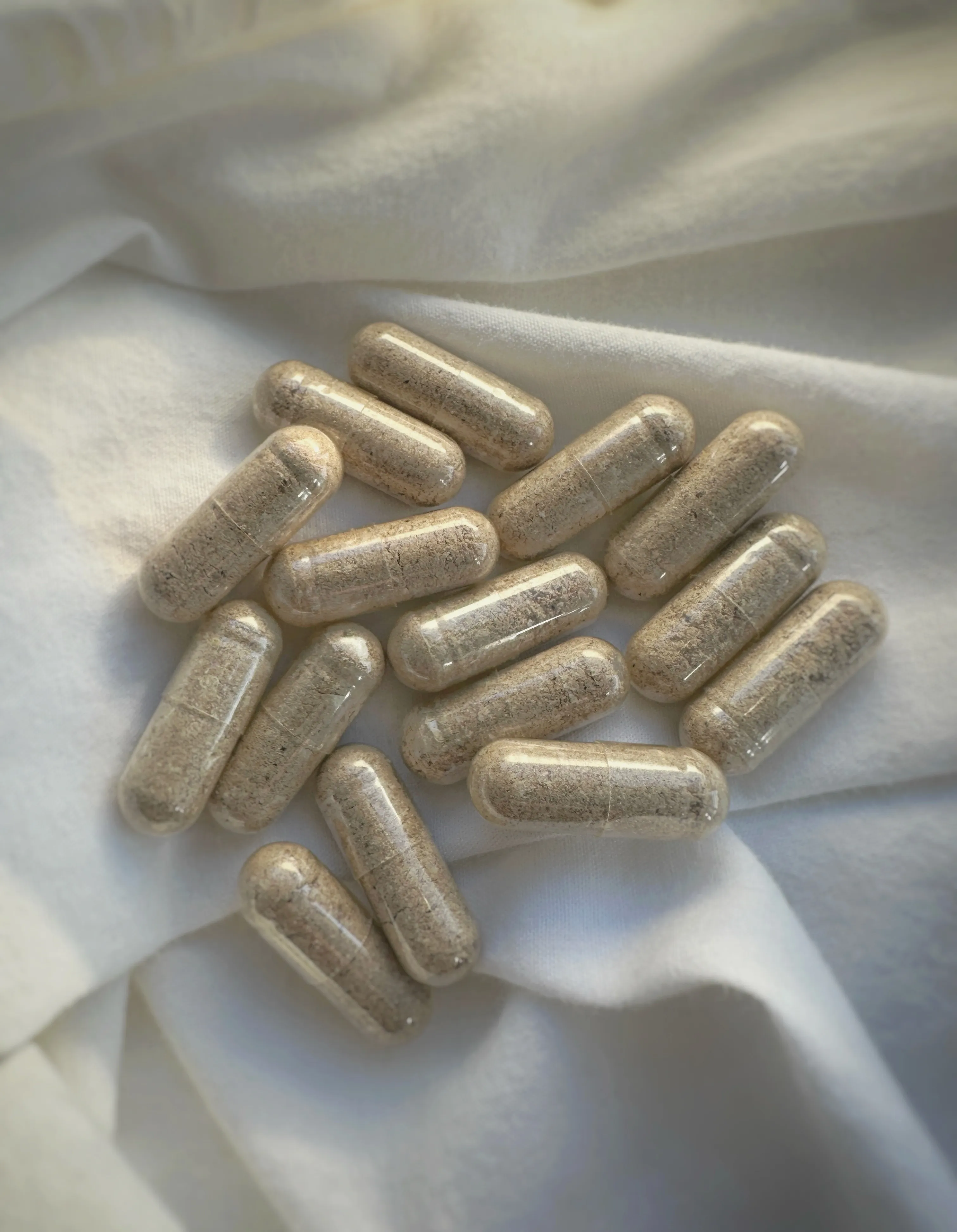
Ask your provider to check your vitamin D level when they order your next bloodwork. If it’s low, discuss with them what level of vitamin D supplementation may be right for you. Look for a vitamin D3 (not D2) supplement that also includes vitamin K, which is thought to help direct calcium into your bones instead of your arteries.
Don’t stop with vitamin D though. Work with your doctor to balance your hormones during menopause by looking at your estrogen, progesterone, and testosterone levels. When they prescribe bioidentical hormone replacement therapy, you can fill it at a compounding pharmacy like Belmar Pharmacy, where the active ingredients and additives can be customized just for you.
You shouldn’t have to worry about breaking bones during normal daily activities. Take charge of your hormonal wellness, including your vitamin D levels, to manage your current menopause symptoms and your health, now and in the future.
Get honest, expert-backed insights on hormones, symptoms, and wellness—delivered straight to your inbox. No noise, no fluff, just the stuff that actually helps.
Sign Up NowThe Change Is Personal is your trusted guide through perimenopause, menopause, and beyond—offering real talk, expert-backed insights, and zero fluff. Created by the team at Belmar, we’re here to help you feel informed, empowered, and supported at every stage of the journey.

.png)
.png)
 Share on Facebook
.png) Share on LinkedIn
Share on LinkedIn