
From skin and hair changes to thyroid issues, perimenopause symptoms and autoimmune conditions often overlap. Many women benefit from adding low dose naltrexone (LDN) along with their hormone replacement therapies.

I recently spoke to a woman in her late 50s, who told me about a skin condition on her face that caused her to have white, scaly patches on her cheeks. She explained that it’s from an autoimmune condition that her doctor previously treated with a topical cream so potent that it left a discolored scar on her face.
Exasperated, she told me, “I try to cover the scar with makeup. Fortunately, it’s where I would normally use blush, but it really bothers me.” She went on to say that each time she has a flare-up of her autoimmune condition, the scaly patches of skin reappear, and she doesn’t want to use the harsh cream for fear of causing further damage.
“Have you considered low dose naltrexone?” I asked her.
“Isn’t that for people trying to kick an addiction to painkillers?” she replied.
I explained that LDN (at a much lower daily dose) has been explored as a supportive therapy for many different autoimmune and inflammatory conditions, including:
One of the biggest challenges for women in their 40s and 50s is that autoimmune disorders and perimenopause may look surprisingly similar. Overlapping symptoms may include:
Even changes in skin and hair can occur with either condition, or both at the same time.
To make things even more complicated, women are far more likely than men to develop autoimmune diseases, and many are diagnosed during midlife, when hormone levels are also beginning to fluctuate. It's easy to assume every new symptom is "just menopause," when, in reality, chronic inflammation or an underlying autoimmune condition may also be contributing factors.
That's why it's so important to work with a knowledgeable healthcare provider who can evaluate your full health picture rather than focusing on your symptoms in isolation. For some women, optimizing hormone therapy may be part of the answer. For others, reducing inflammation with therapies such as compounded low dose naltrexone may also become an important part of a personalized therapy approach.
As noted earlier, low dose naltrexone is typically prescribed in daily doses that are one-tenth of the standard addiction treatment (around 1-5 mg) to reduce inflammation and modulate the immune system. Because LDN is thought to influence endorphin activity and help modulate an overactive immune response, it’s often helpful for people like the woman I spoke with who deals with autoimmune flare-ups that irritate her skin.
LDN may also help women with chronic pain, fatigue, mood, and sleep concerns. Some providers also explore it as part of a broader approach to weight management, given early research suggesting it may influence food cravings and energy; though this is still an emerging area.
After my conversation with the first woman, I was reminded of another case in which a female patient finally found relief from a condition called lichen sclerosus, which causes patchy, discolored, thin skin, typically affecting the genital and anal areas.
This woman suffered so severely from lichen sclerosus, and sex was so painful, that it impacted her ability to be intimate with her husband. Eventually, they ended up getting divorced.
Sadly, this isn’t a unique story. For many women with this painful condition, the topical creams that are often prescribed to treat lichen sclerosus may not provide lasting relief. They may relieve symptoms until the next flare-up, but women who suffer from this condition typically seek a more long-term therapy.
As you can imagine, lichen sclerosus flare-ups can make sex extremely uncomfortable and downright painful. And, if you’re a woman in perimenopause—a time in which vaginal tissue frequently loses moisture and becomes thinner as a symptom of hormone fluctuations—it’s likely unbearable at times. I’ve spoken to women with this condition who describe wearing underwear as a painful experience!
As you can imagine (or maybe even relate), women living with autoimmune conditions often find themselves managing much more than a single diagnosis. They may be juggling hormonal changes, chronic inflammation, disrupted sleep, persistent pain, digestive issues, or skin flare-ups—all while trying to maintain careers, relationships, and family responsibilities.
Because of this, many healthcare providers are looking beyond symptom suppression alone. Their goal is to help calm the underlying inflammatory response while also addressing hormone balance, nutrition, sleep, and lifestyle factors that influence overall health.
While low dose naltrexone isn't appropriate for everyone, there has been growing interest in it because of its potential to support immune regulation with relatively few side effects when prescribed and monitored appropriately. For women who have struggled to find lasting relief, it may be worth discussing with a healthcare provider familiar with compounded LDN.
Compounded low dose naltrexone may be prescribed to address itching, pain, and other symptoms related to autoimmune or inflammatory conditions. Additionally, it can be used for its ability to address pain, along with its antioxidant and anti-inflammatory effects.
As mentioned earlier, low dose naltrexone is about one-tenth the daily dose of commercially available naltrexone (typically 50-100 mg), which is often prescribed for opioid or alcohol dependence. Because lower doses are not available commercially, compounding pharmacies, like Belmar Pharmacy, prepare LDN in customized strengths and dosage forms to meet individual patient needs.
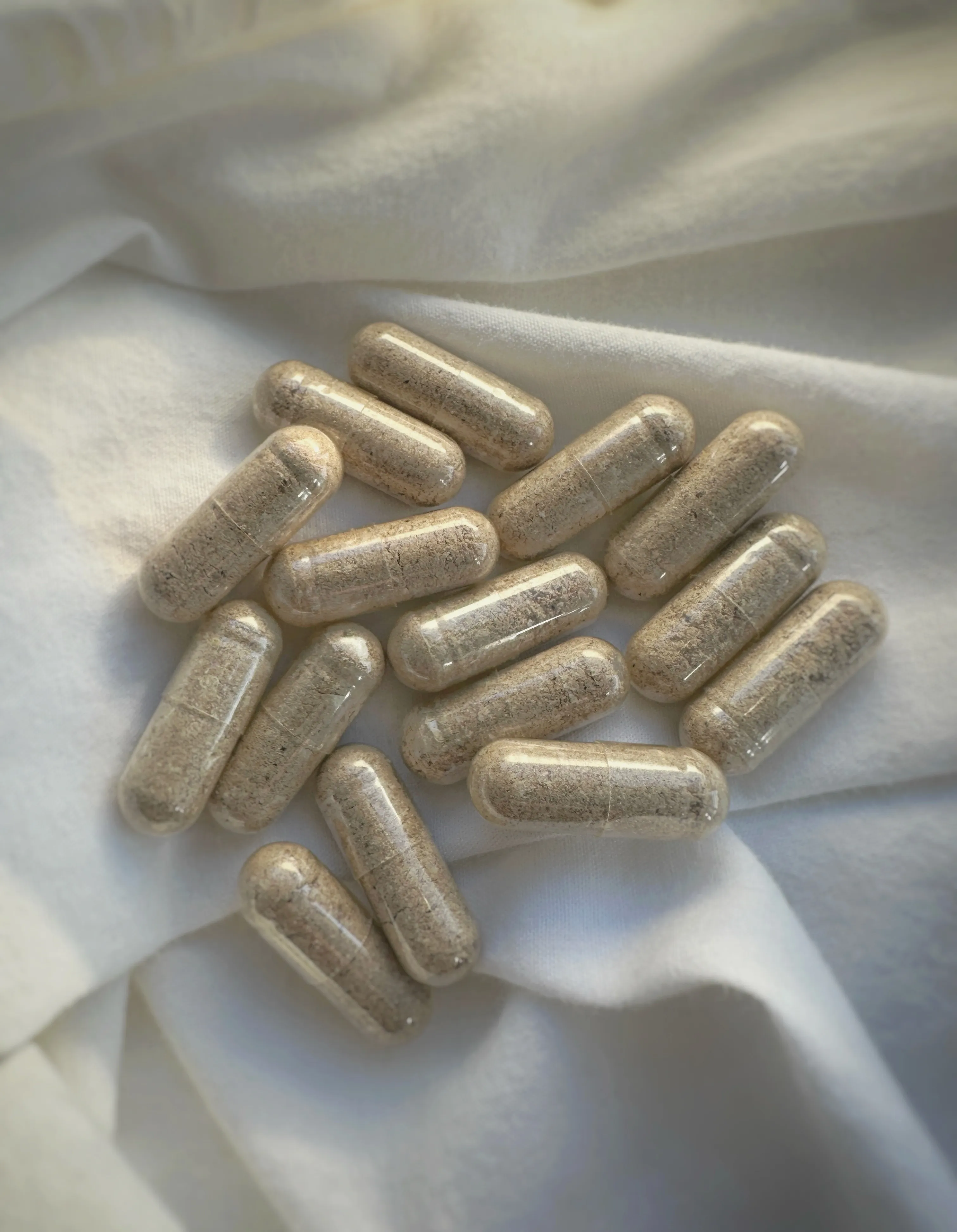
Belmar Pharmacy compounds low dose naltrexone in a variety of dosage forms, including oral tablets and capsules, plus topical creams and gels. For many women, this personalized, whole-person approach to wellness can make all the difference.
Every woman's health journey is different. If you're living with an autoimmune condition, chronic inflammation, persistent pain, or symptoms that seem to overlap with perimenopause or menopause, it may be worth having a conversation with your healthcare provider about whether compounded low dose naltrexone could play a role in your personalized therapies.
You don't have to accept chronic inflammation or uncomfortable symptoms as "just part of getting older." Understanding all of your options—including compounded therapies like LDN—may be one more step toward feeling like yourself again.
Get honest, expert-backed insights on hormones, symptoms, and wellness—delivered straight to your inbox. No noise, no fluff, just the stuff that actually helps.
Sign Up NowThe Change Is Personal is your trusted guide through perimenopause, menopause, and beyond—offering real talk, expert-backed insights, and zero fluff. Created by the team at Belmar, we’re here to help you feel informed, empowered, and supported at every stage of the journey.

.png)
.png)
 Share on Facebook
.png) Share on LinkedIn
Share on LinkedIn