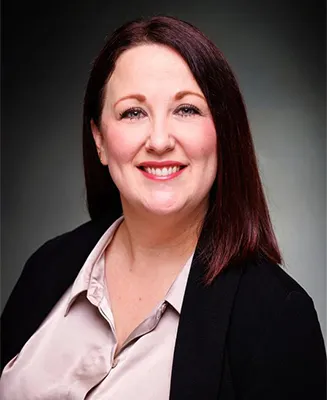

Curious about balancing your hormones in perimenopause, menopause, and postmenopause? Learn from a leading expert in women’s hormonal health and wellness—Dr. Angela DeRosa, aka “Dr. HotFlash.” Dr. DeRosa discusses the significant roles of estrogen, progesterone, and testosterone in a woman’s life, plus compounded bioidentical hormone therapies, and the importance of finding a provider who is knowledgeable and trained in BHRT for women.

Dr. Angela DeRosa, aka “Dr. HotFlash,” started perimenopause in her 20s during her medical training and then hit menopause early—at age 35. In efforts to understand what was happening in her own body, she began a quest to learn about women’s health and hormones. After a stint of working for big pharma and her observations that the medical establishment was wrong about how to treat women’s hormonal issues, she opened her own practice as a hormonal specialist.
Today, Angela DeRosa, DO, MBA, CPE, is the Medical Director of Belmar Pharma Solutions and an internationally recognized authority on women’s hormonal health. She believes that balanced hormones are the foundation for women’s wellness, and has written a book to share her wisdom: A Woman’s Hormonal Health Survival Guide: How to Prevent Your Doctor From Slowly Killing You.
Here, we share a few key lessons from Dr. HotFlash’s book.
According to Dr. DeRosa, our sex hormones are like elixirs of wellness, doing all kinds of things that help promote strong bodies plus mental and emotional well-being.
Estrogen plays a big role in reproduction by keeping the vagina robust enough for comfortable sex, stimulating ovulation, and thickening the uterine lining to prepare for the egg to implant.
As the “vitality” hormone, estrogen has many, many important functions. It keeps our skin healthy by supporting collagen growth and keeping skin cells hydrated. Estrogen promotes communication between brain cells to keep our thinking sharp. It also can promote cardiovascular health by keeping blood vessels flexible, strengthening the heart wall and cells, and improving electrical conductivity. And estrogen partners with testosterone to help keep our bones strong. (DeRosa, p22-23)
Testosterone seems like a male hormone, but women need it too. It helps regulate our moods and keeps our brains sharp as far as memory, thinking, and processing information. Testosterone also helps move sugar from the bloodstream into muscles to burn it for energy, which may help with weight management. And testosterone also gives intimacy it’s spark by helping with libido, sexual pleasure, and orgasm. (DeRosa, p18-21)
Progesterone has many important roles after menopause, one of which is to protect the uterine lining from building up. As mentioned above, in menstruating women, estrogen can cause the uterine lining to thicken, and then it sheds out through a period. When women with an intact uterus take estrogen as HRT, they also need progesterone, because it helps keep that uterine lining from becoming too thick. (DeRosa, p60)
As you can see, these sex hormones work throughout the body to promote health. When hormones start to decline in perimenopause, a variety of symptoms may begin to affect overall health and quality of life. That’s when replenishing hormones with bioidentical hormone replacement therapy (BHRT) may provide a host of benefits.
Bioidentical hormones are different from synthetic hormones. The synthetic hormones are manmade, and their molecular structures are usually a little different from natural hormones. But bioidentical hormones have the same molecular structure as the hormones your body makes naturally. So, when you use BHRT to replenish your hormones, the bioidentical hormones are used by your cells just like natural hormones. (DeRosa, p62)
Sometimes people think that all synthetic hormones come from pharmaceutical companies, and all bioidentical hormones are made by compounding pharmacies—but this is not true. A compounding pharmacy can also make synthetic hormones. And some bioidentical hormones come from drug companies who have patented their formulations of BHRT.
No matter where bioidentical hormones come from, they are structurally the same as the hormones your body naturally makes. But an advantage to getting bioidentical hormones from a compounding pharmacy is that if you have allergies or intolerances to certain substances, your provider can tailor a prescription that avoids certain ingredients. They can also combine different hormones in whatever doses your provider requests for your specific needs.
Ask your practitioner to order your BHRT from a pharmacy that sources their ingredients from suppliers that are FDA-registered drug facilities.
Let’s say a woman goes to the doctor to get help for mood changes. Chances are good that she leaves the clinic with a diagnosis of “anxiety” or “depression” and a prescription for Xanax or Prozac. Or maybe a woman with sleep problems is prescribed Ambien. Or a woman with migraines is given Imitrex. Why? Because many doctors don’t understand that women in their 30s, 40s, 50s, and beyond may have a basic, physiological reason for these mood issues—hormone deficiencies. So, instead of doing hormone testing or asking about other symptoms that might also point to a hormonal root cause, they just write a prescription for a drug and send her on her way.
This is not quality healthcare for women!
On the flip side, other doctors may recognize that hormonal imbalances are occurring and may prescribe hormones for a variety of symptoms—but they don’t have adequate knowledge or enough experience with hormones. So, this is still not quality healthcare.
For you to get the best care, it’s critical to have a hormone-savvy doctor, nurse practitioner, or physician assistant. A competent practitioner will listen carefully to your symptoms and concerns. Before prescribing any kind of therapy, they take into account your medical history and all of your symptoms, plus they may do hormone testing and perhaps other bloodwork. They can also discuss the pros and cons of different formulations, such as pills versus creams versus pellets, and suggest which form may work best for you. (DeRosa, 12-23)
Whether you’re having hot flashes, vaginal dryness, mood swings, brain fog, or other perimenopausal or menopausal symptoms, Dr. HotFlash recommends looking into compounded BHRT as a way to optimize your wellness by balancing your hormones.
Reference:
DeRosa A. A Woman’s Hormonal Health Survival Guide: How to Prevent Your Doctor from Slowly Killing You. DeRosa Media, LLC. 2018.
Get honest, expert-backed insights on hormones, symptoms, and wellness—delivered straight to your inbox. No noise, no fluff, just the stuff that actually helps.
Sign Up NowThe Change Is Personal is your trusted guide through perimenopause, menopause, and beyond—offering real talk, expert-backed insights, and zero fluff. Created by the team at Belmar, we’re here to help you feel informed, empowered, and supported at every stage of the journey.

.png)
.png)
 Share on Facebook
.png) Share on LinkedIn
Share on LinkedIn